
What does disaster relief sanitation actually cover?
It covers anything that keeps people safe when normal plumbing is down. That means standard portable toilets for shelters and staging areas, handwashing stations so soap and water stay available under 29 CFR 1910.141(d)(2), which requires soap and towels or a hand-drying device, not sanitizer alone. It also means holding tanks for buildings with damaged septic lines, restroom trailers for longer-term shelter operations, and temporary fencing to secure damaged structures or staging zones. For agricultural properties near Auburn hit by storm damage, field crews fall under OSHA 1928.110, which sets one sanitation facility per 20 hand-labor employees within a quarter mile walk. We size the response to the situation: a single porta john for a work crew, a bank of units for a shelter, or a full construction site services package if crews are rebuilding. Storage needs come up fast too. A 20ft storage container or 40ft storage container can hold donated supplies, tools or displaced equipment while a site gets sorted out. If the disruption knocks out grid power, ask about a temporary power pole or a light tower rental for nighttime work.
How fast can units get delivered during an emergency?
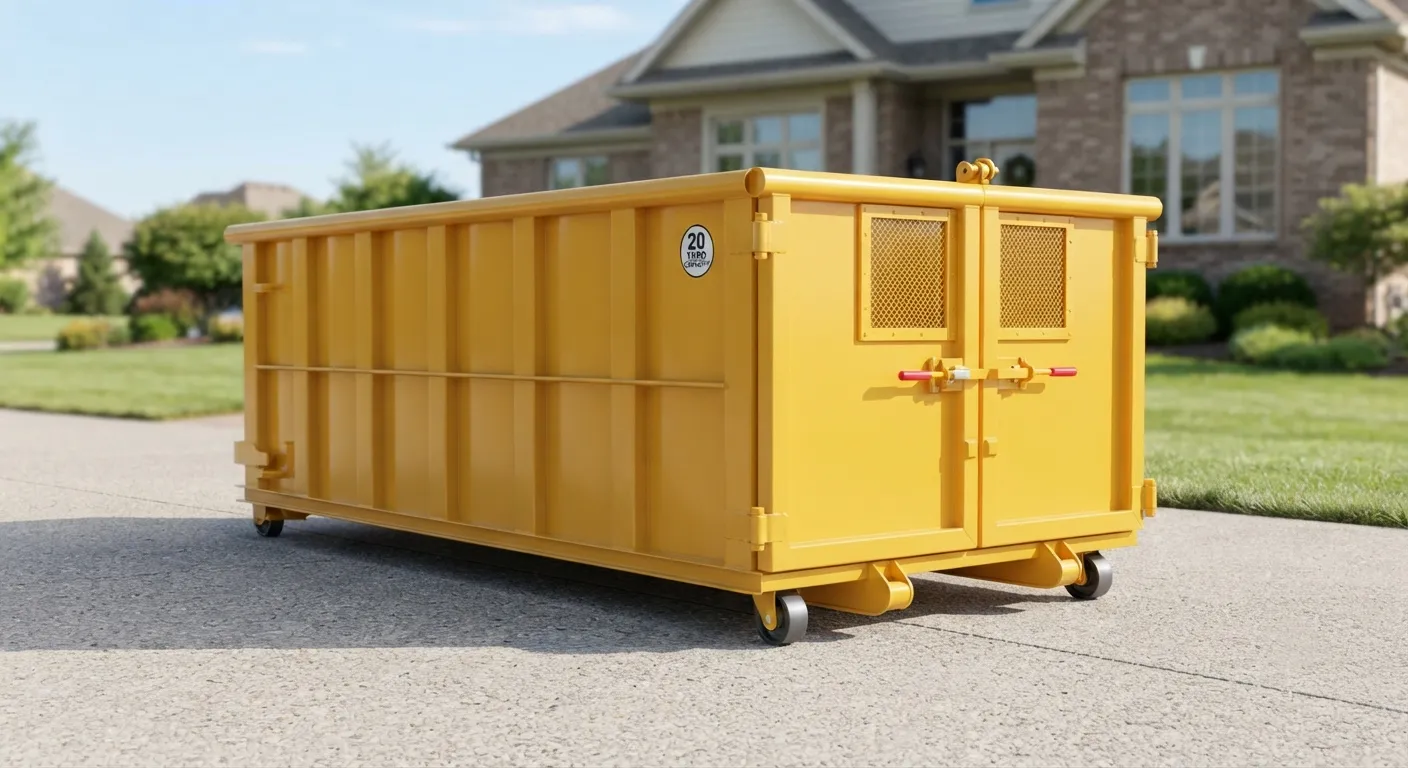
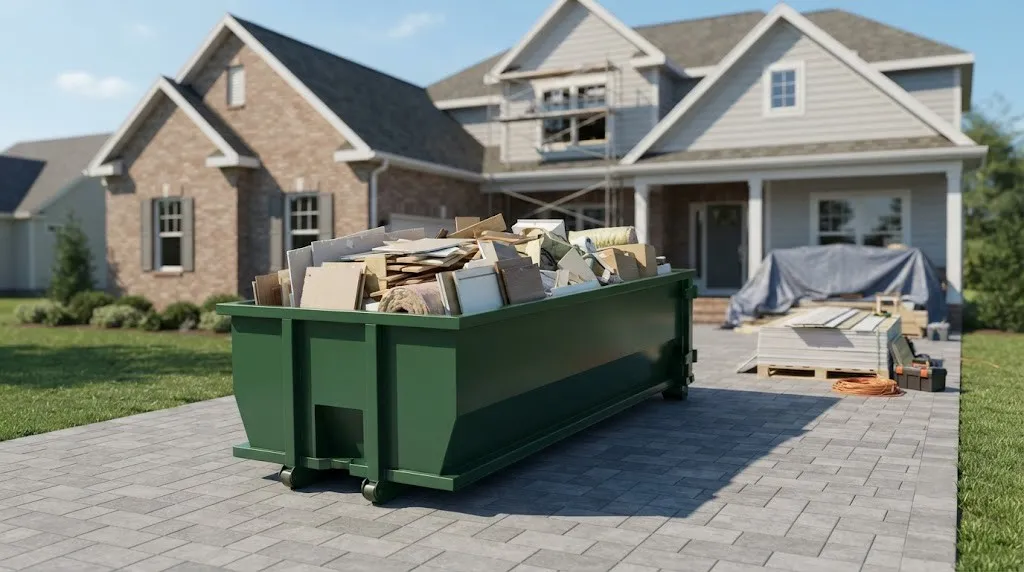
Speed depends on road access and how many units the response needs, but we prioritize emergency calls over standard bookings. A roll-off or trailer delivery needs about 60 feet of straight clearance behind the truck, so tell us up front if debris or downed trees are blocking driveways or alleys. If a driveway is impassable, we can often place units at the curb or in a lot nearby instead, which is why porta potty placement planning matters even in a rush. For Auburn-area relief staging that spills into neighboring communities, we already serve Sumner 8.9 miles south, Covington 9.2 miles northeast, Edgewood 9.5 miles southwest, Bonney Lake 10.0 miles south and Des Moines 12.1 miles northwest, so a shelter drawing from a wider radius is not a problem. Debris cleanup almost always runs alongside sanitation needs. A roll-off dumpster or a 10 yard dumpster handles storm debris, while a 30 yard dumpster or 40 yard dumpster fits larger structural damage. Check what cannot go in a dumpster before loading hazardous storm waste, since some materials need separate disposal. If flooding compromised a septic system, emergency septic service can pump a tank fast, and most residential systems run a 1,000 to 1,500 gallon tank pumped every 3 to 5 years under normal use, though storm intrusion can force an off-cycle pump.
What does emergency sanitation cost during a disaster?
Emergency response pricing follows the same bands as planned rentals, but expect delivery fees on the higher end since crews are often mobilizing outside normal routes. A standard unit still runs in the same day-rate range whether it is booked for a wedding or a shelter.
| Item | Day | Week | Month |
|---|---|---|---|
| Standard unit | $100-$350 | $130-$500 | $125-$325 |
| ADA unit | $200-$400 | $185-$240 | -- |
| Delivery fee | $100-$500 | $100-$150 | $120-$420 |
| Dumpster | $51-$112 | $426-$778 | $500 |
Full pricing detail, including how weekend and multi-day rates compare, lives on our porta potty rental cost and dumpster rental cost pages. For crews staying weeks instead of days, monthly porta potty rental usually costs less per day than booking short stretches back to back. ADA-accessible units matter in shelter settings too: ADA Standards section 213.2 requires at least 5 percent of clustered single-user units to be accessible, and never fewer than one, so a shelter with several units needs at least one ADA accessible porta potty on site.
Frequently asked questions
How many toilets does a shelter need?
Use OSHA 1926.51(c) as a baseline reference: one toilet for every 20 people, moving to additional fixtures per 40 as headcount climbs past 20. Shelters are not construction sites, but the ratio gives a workable starting point. Our how many porta potties do I need guide walks through sizing by headcount.
Can you deliver on short notice, even overnight?
Yes, within limits. We keep standard units staged for fast turnaround and prioritize confirmed emergency requests. Call ahead so we can confirm truck access, since a roll-off or trailer delivery still needs roughly 60 feet of clear approach behind the vehicle.
Do you work directly with emergency management agencies?
Yes. We coordinate placement counts, delivery windows and billing directly with shelter operators, Red Cross-style relief coordinators or municipal emergency management contacts. Bring us your headcount and site access details and we will build a unit list fast.
What if the septic system floods or backs up?
Call emergency septic service right away. Flooding can force a tank pump outside its normal 3 to 5 year cycle, and a backed-up system creates an immediate health hazard that holding tanks can bridge while repairs happen.
Can units serve areas outside Auburn during a regional disaster?
Yes. We already deliver to Sumner, Covington, Edgewood, Bonney Lake and Des Moines, all under 13 miles from Auburn, so a regional response covering several communities is routine, not a special request. Request a quote with your locations and headcounts.
Next step
Get a delivery date
Tell us the address, the dates and the headcount. We size the order and confirm the route.