
How Often Does A Septic Tank Need Cleaning?
The 3 to 5 year range isn't a marketing number, it's what actually holds up for a standard 1,000 gallon residential tank under normal household use. A family of five generates more solids than a couple living alone, so the same tank gets pumped more often on the low end of that range. Tank size matters just as much as household size. If your Auburn property still runs on an older, smaller tank, you're closer to every 3 years. Newer, larger tanks bought some breathing room and can stretch closer to 5. If you're building or renovating and need something to bridge the gap while the system gets sorted, a holding tank rental covers you in the meantime, and a septic pumping service can check tank condition while they're out. Skipping past pumping doesn't spare you a cost, it defers it, and usually to a worse moment.
What Happens If You Wait Too Long?
Solids build up, drainfields get overloaded, and eventually sewage backs up into the house or pools in the yard. That is the expensive version of this problem. Watch for slow drains, gurgling pipes, standing water near the tank, or a smell that wasn't there before. Those are the warning signs worth acting on immediately rather than waiting for the next scheduled visit. If you're already seeing them, don't wait for the calendar date. Our septic tank warning signs page walks through what each symptom usually means. Commercial kitchens have a related but different clock: grease interceptors get pumped once fats, oils, grease and solids reach 25 percent of the liquid depth, which is a volume threshold, not a time one. If you run a restaurant or food truck in Auburn, that's worth tracking separately through grease trap pumping rather than folding it into your home septic schedule.

How Much Does Septic Pumping Cost?
Pricing depends mostly on access and tank condition, not just size. Here's what a standard visit runs:
| Service | Duration | Typical Price Range |
|---|---|---|
| Septic pumping | Day rate | $150 to $300 |
| Septic pumping | Weekend rate | $50 to $150 |
Those figures cover a routine pump-out. Emergencies, backed-up lines, or tanks that have gone well past their interval usually cost more because of added labor and disposal time. For a fuller cost breakdown, including what changes the price, see septic tank pumping cost. If your issue turns into a same-day problem, emergency septic service is built for exactly that, and it is worth calling before a slow drain becomes standing water in the yard.
Should You Get Your Tank Inspected Between Pumpings?
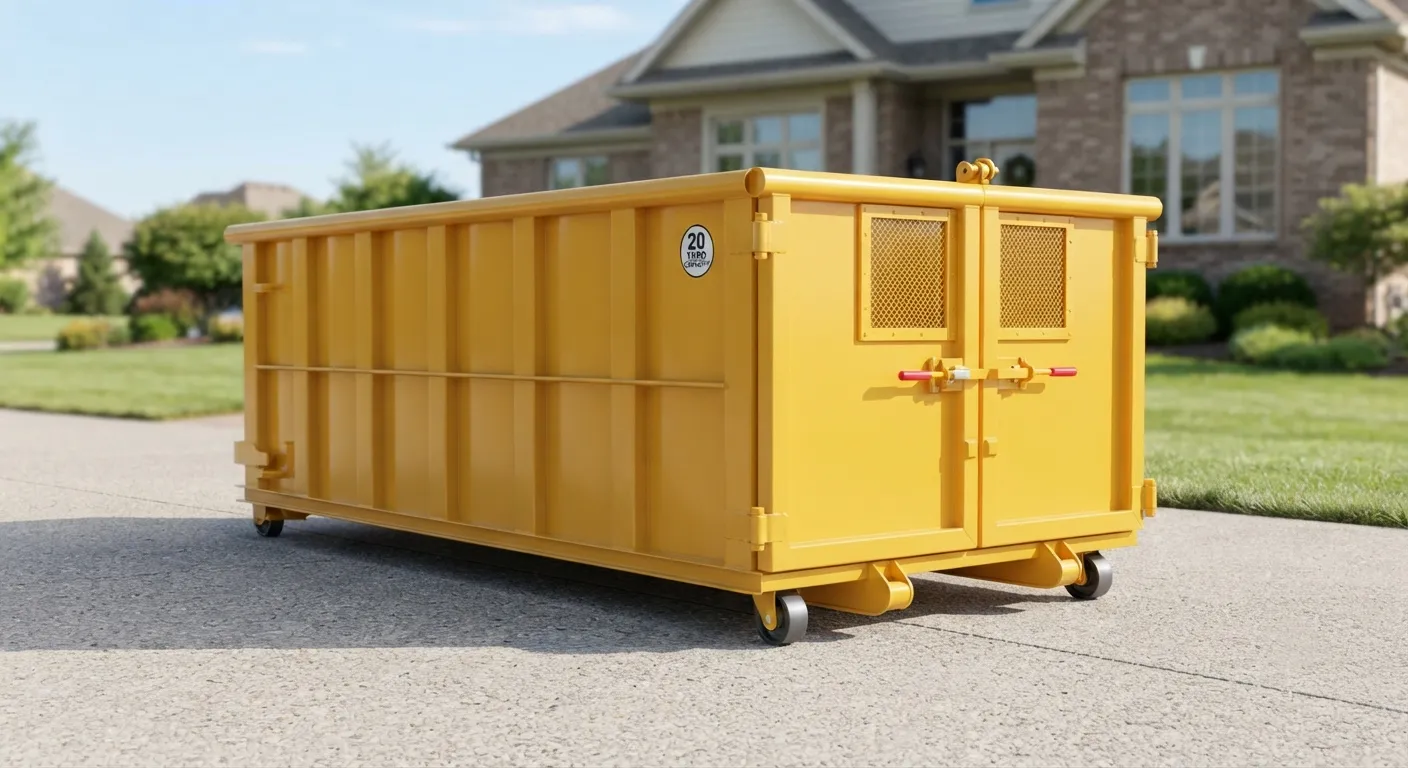
Yes, especially if you're near the end of your 3 to 5 year window and unsure of your tank's actual condition. An inspection tells you whether you're on track or need to move the date up. It also catches problems a homeowner wouldn't otherwise see, like a cracked baffle or a drainfield that's starting to struggle. Pair inspection with septic tank cleaning so the crew is already on site with the right equipment. This matters more in Auburn than it might elsewhere, since soil conditions and rainfall affect how hard a drainfield works between pumpings. If you're planning construction nearby, whether that's a new addition or an outbuilding, it's worth coordinating septic service timing with any construction site services you're already lining up, so equipment access to the tank isn't blocked by fencing, a dumpster, or a stored container. Homeowners doing renovation work should also check our home renovation porta potty page if crews will be on site for more than a day, since septic access and portable sanitation planning often overlap on the same job.
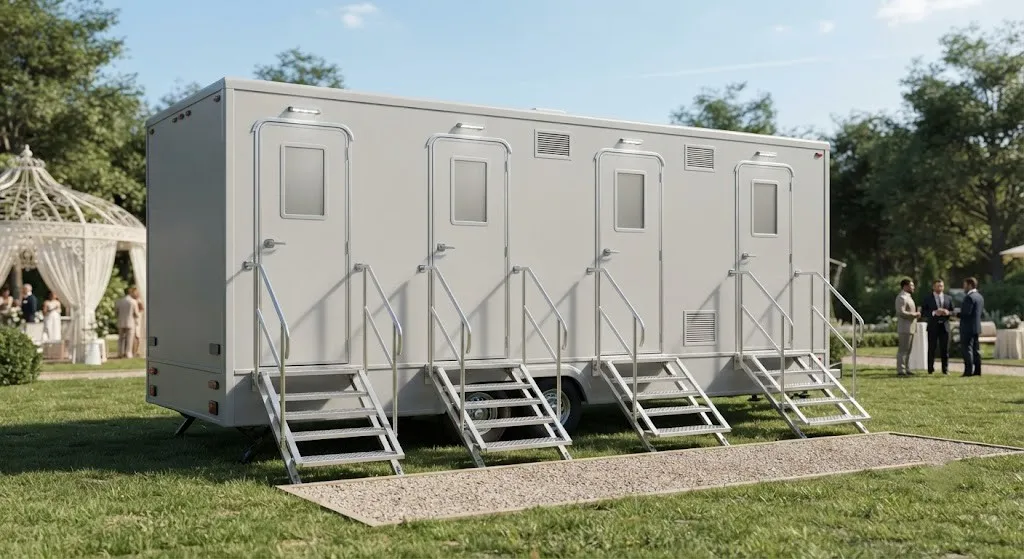
Auburn Porta Pros services septic systems throughout Auburn and nearby communities, including Sumner about 8.9 miles south, Covington 9.2 miles northeast, and Bonney Lake 10.0 miles south. If your property sits closer to Edgewood, 9.5 miles southwest, or Des Moines, 12.1 miles northwest, we still cover those calls. For general portable sanitation alongside septic work, our Porta Potty Rental in Auburn, WA page covers the toilet side, and the Septic Pumping Service page is the hub for everything septic-related that Auburn Porta Pros offers.
Frequently asked questions
How do I know if my septic tank needs pumping now?
Slow drains, gurgling in the pipes, sewage odor near the tank, or standing water in the yard are the clearest signs. If any of those show up, don't wait for your next scheduled date. Check our septic tank warning signs page and call for an inspection.
Does household size actually change the pumping schedule?
Yes. A larger household pushes more solids into the tank, which shortens the interval toward the 3 year end of the 3 to 5 year range. Smaller households on bigger tanks can often stretch closer to 5 years between pumpings.
Can I pump my own septic tank?
No. Septic pumping requires a vacuum truck and proper disposal, which homeowners don't have access to. Use a licensed septic pumping service instead. Attempting it yourself risks contamination and doesn't solve the underlying tank access problem.
What is the difference between septic pumping and septic cleaning?
Pumping removes liquid and solid waste from the tank. Cleaning can include that plus inspecting baffles, checking the outlet, and clearing any blockage. Ask your provider which service they're quoting; see septic tank cleaning for details.
Is a grease trap on the same schedule as a home septic tank?
No. Grease interceptors are pumped based on volume, specifically once fats, oils, grease and solids reach 25 percent of the liquid depth, not on a fixed calendar. Home septic tanks follow the 3 to 5 year window instead. See grease trap pumping for commercial specifics.
Next step
Get a delivery date
Tell us the address, the dates and the headcount. We size the order and confirm the route.